
Q-KON expands smart satellite services for Southern Africa tourism
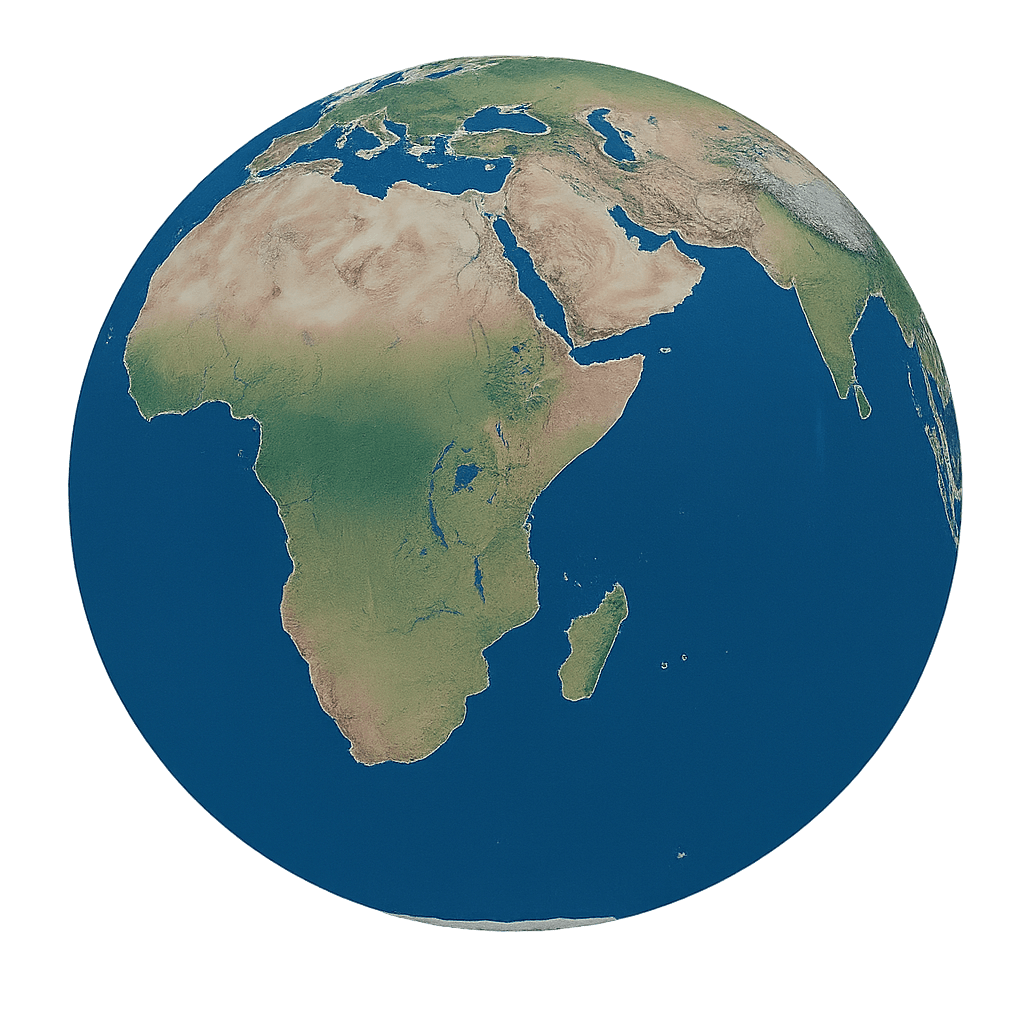
Q-KON says its expanded Twoobii Smart Satellite Services are now aimed at luxury lodges and eco-tourism operations across Southern Africa, including remote sites in Namibia and South Africa. The rollout is designed to bring fibre-like speeds, lower latency and more flexible connectivity to properties that face unreliable or nonexistent terrestrial networks.
Why it matters: - Luxury tourism and eco-lodges in Southern Africa often operate in areas where terrestrial networks are weak, unstable or unavailable. - Q-KON’s service expansion is aimed at keeping guest internet, reservations, payments and back-office systems online in places where connectivity directly affects operations and revenue. - The company is pairing LEO and GEO satellite networks with local deployment models to match different site conditions, from backup connectivity to fully off-grid primary links.
What happened: - Q-KON announced the expansion of its Twoobii Smart Satellite Services across Southern Africa on September 9, 2026. - The company said the portfolio is built to address the hospitality and eco-tourism sector’s operational connectivity needs through localized deployment of global satellite networks. - The updated framework uses Low Earth Orbit and Geostationary Earth Orbit systems, including Twoobii-OneWeb integration, to deliver high-throughput, low-latency service. - Q-KON said Twoobii-LEO is delivering fibre-like speeds and sub-70ms latency for remote hospitality sites.
The details: - In South Africa, many lodges rely on terrestrial wireless, microwave or LTE links, which can suffer from link failures, congestion and seasonal traffic spikes. - Q-KON’s Twoobii-OneWeb satellite solution delivers speeds up to 70Mbps, according to the company. - The service offers automatic failover to keep operations running during terrestrial or cellular outages. - The service also supports on-demand bandwidth for peak occupancy, corporate events and conferences. - Q-KON said variable billing models are designed to align with seasonal occupancy cycles. - In off-grid locations such as Namibia, where fixed terrestrial infrastructure is unavailable, satellite serves as the primary communications link. - Q-KON deploys continuous LEO and GEO connectivity there to support administrative work, management systems and guest networks. - Q-KON said it has completed several off-grid field deployments with regional channel providers, including Echo Namibia. - At Shipwreck Lodge on Namibia’s Skeleton Coast, LEO satellite infrastructure was implemented to support guest internet access and cloud-based financial accounting systems. - At Sky and Stone Tented Camps in Damaraland, low-latency satellite links were deployed for real-time reservation processing and point-of-sale transactions. - Q-KON said those links were designed to keep power draw low on localized microgrids. - Dr. Dawie de Wet, Q-KON’s group CEO, said hospitality operations in remote locations need flexible connectivity structures rather than one-size-fits-all solutions. - De Wet said the goal is to provide reliable connectivity tailored to specific operational contexts, whether for failover redundancy or a complete primary setup for an off-grid lodge. - Q-KON provided more information at the company’s website and hospitality satellite packages.
Between the lines: - The rollout points to a shift from generic satellite coverage toward service packages built around actual lodge operations, including payments, accounting and reservation systems. - Q-KON is positioning satellite connectivity as a business continuity tool, not just a guest amenity. - The focus on flexible billing and on-demand capacity suggests the company is targeting seasonal tourism businesses that need to control costs while handling demand spikes.
What's next: - Q-KON is likely to continue targeting hospitality and eco-tourism operators across the region as more remote properties look for reliable connectivity. - The company’s next growth test will be whether its satellite packages can scale across different terrain, power and occupancy conditions without adding complexity for lodge operators. - Further deployments could follow in markets where tourism growth is outpacing terrestrial infrastructure.
Disclaimer: This article was produced by AGP Wire with the assistance of artificial intelligence based on original source content and has been refined to improve clarity, structure, and readability. This content is provided on an “as is” basis. While care has been taken in its preparation, it may contain inaccuracies or omissions, and readers should consult the original source and independently verify key information where appropriate. This content is for informational purposes only and does not constitute legal, financial, investment, or other professional advice.
Sign up for:
Africa News Currents
The daily local news briefing you can trust. Every day. Subscribe now.
Check Your Email!
We sent a one-time activation link to: .
Confirm it's you by clicking the email link.
If the email is not in your inbox, check spam or try again.
Welcome back!
is already signed up. Check your inbox for updates.